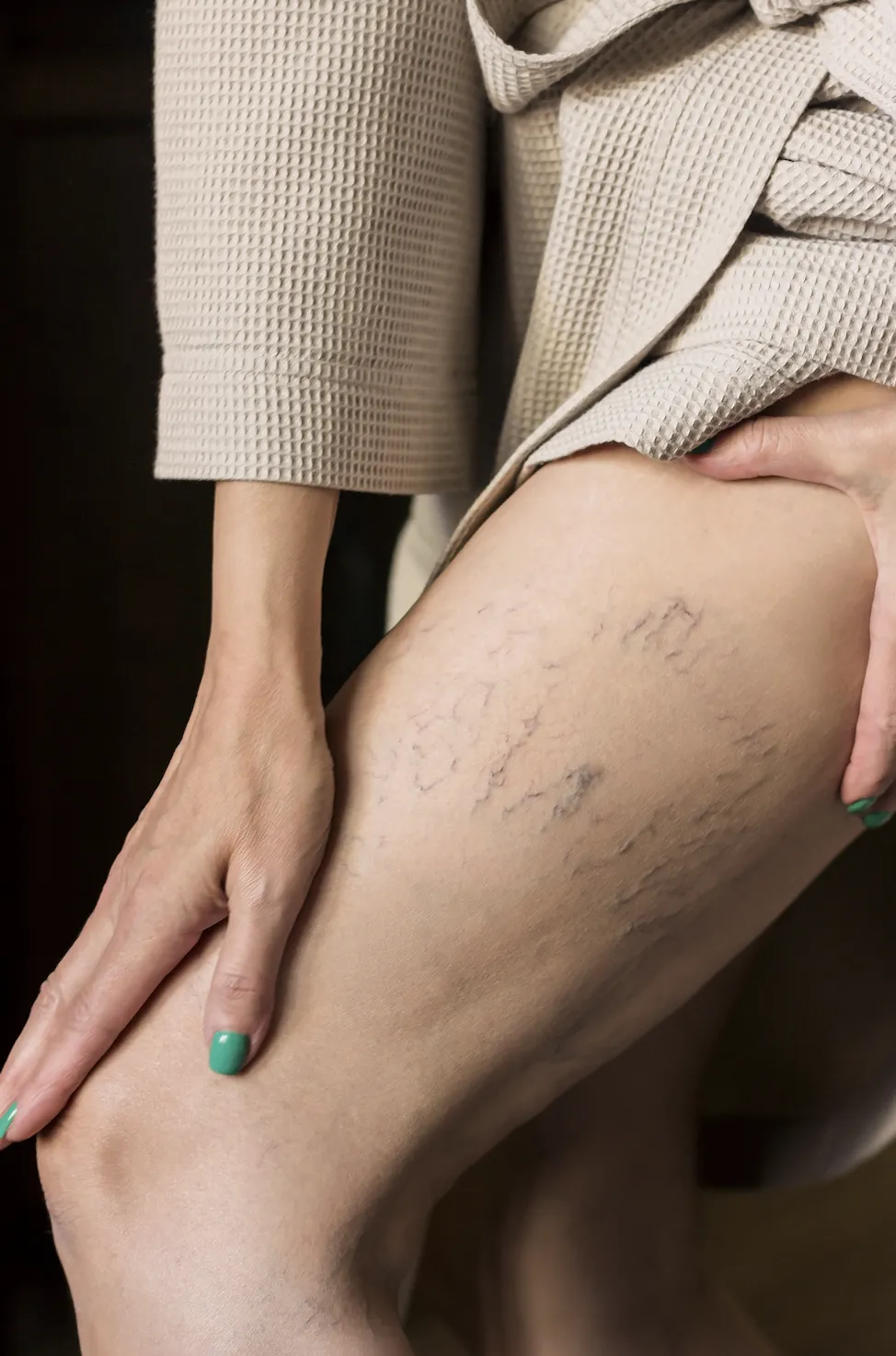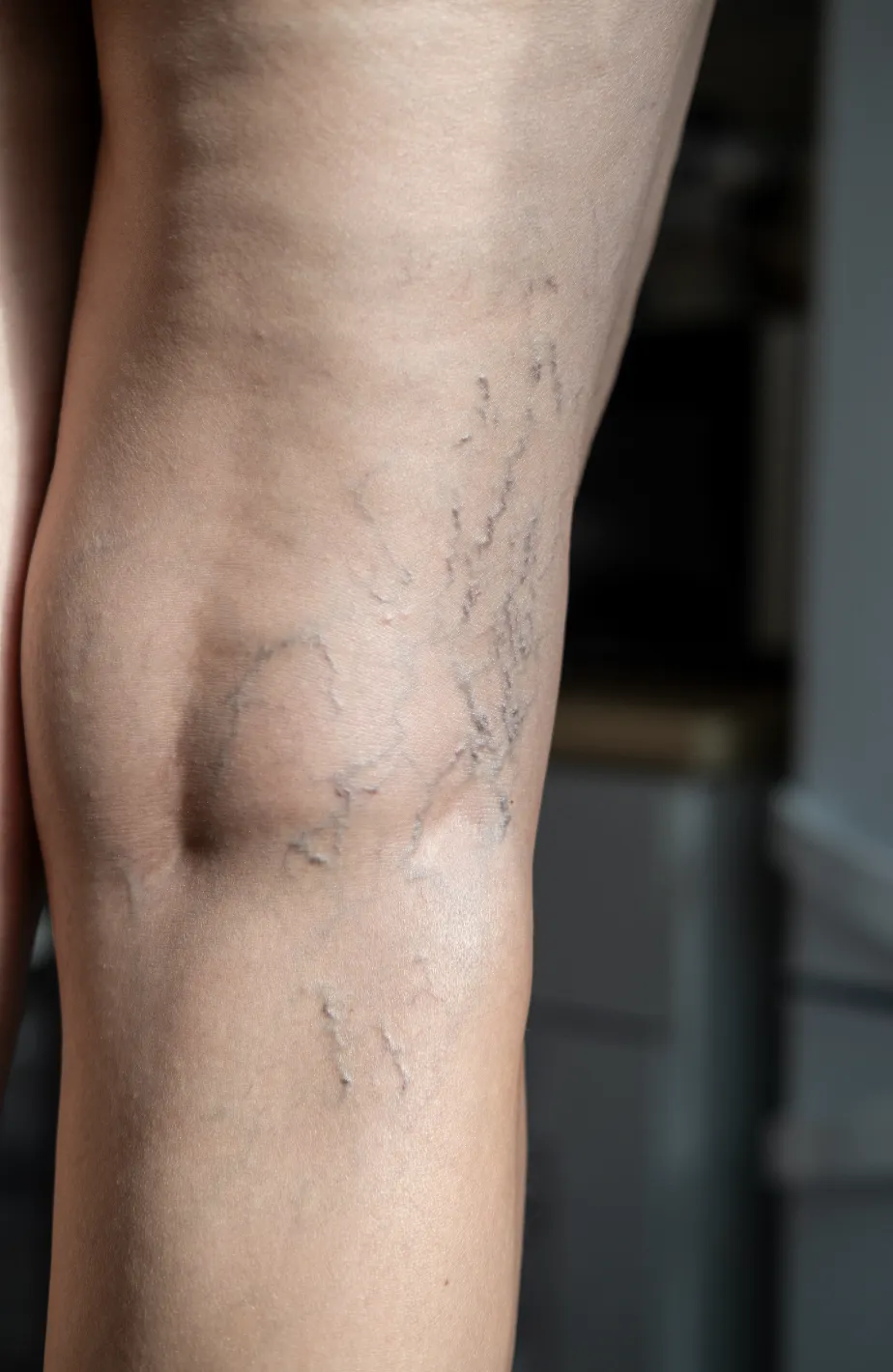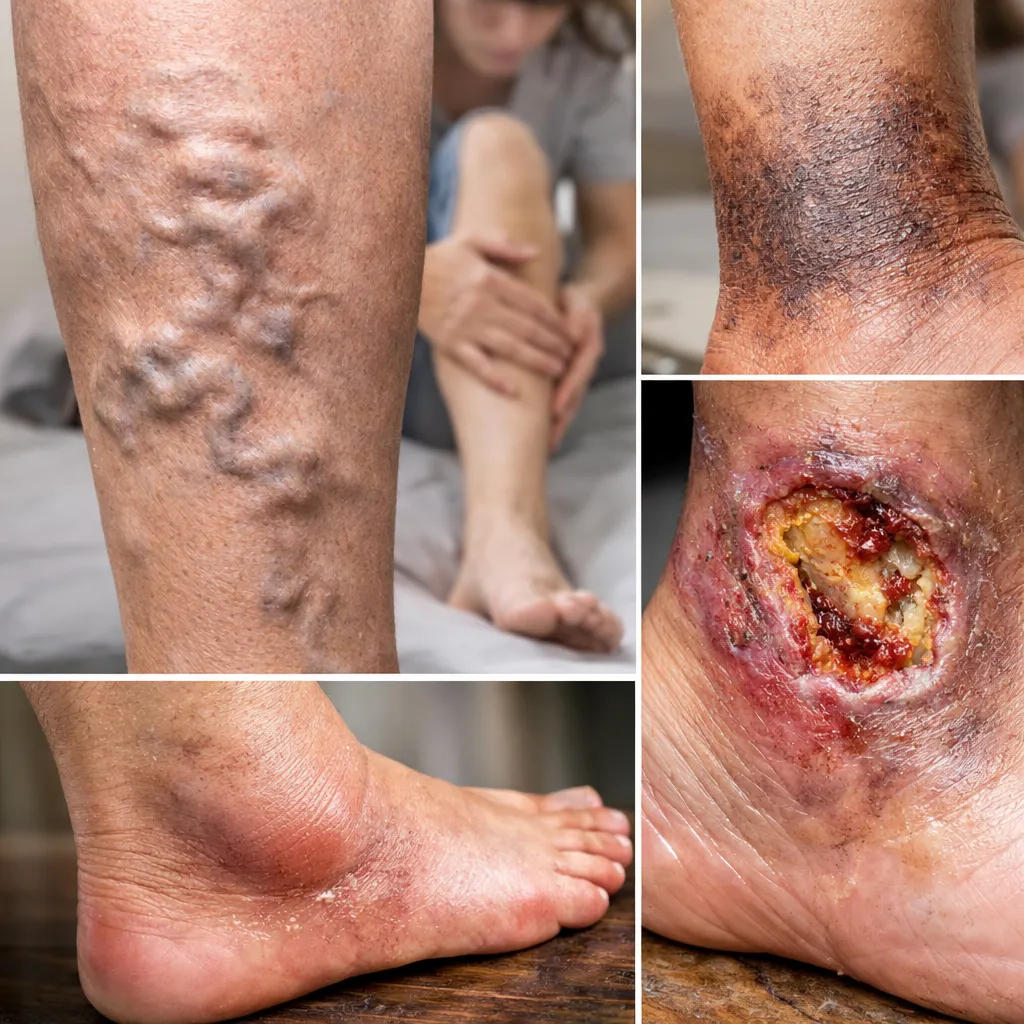


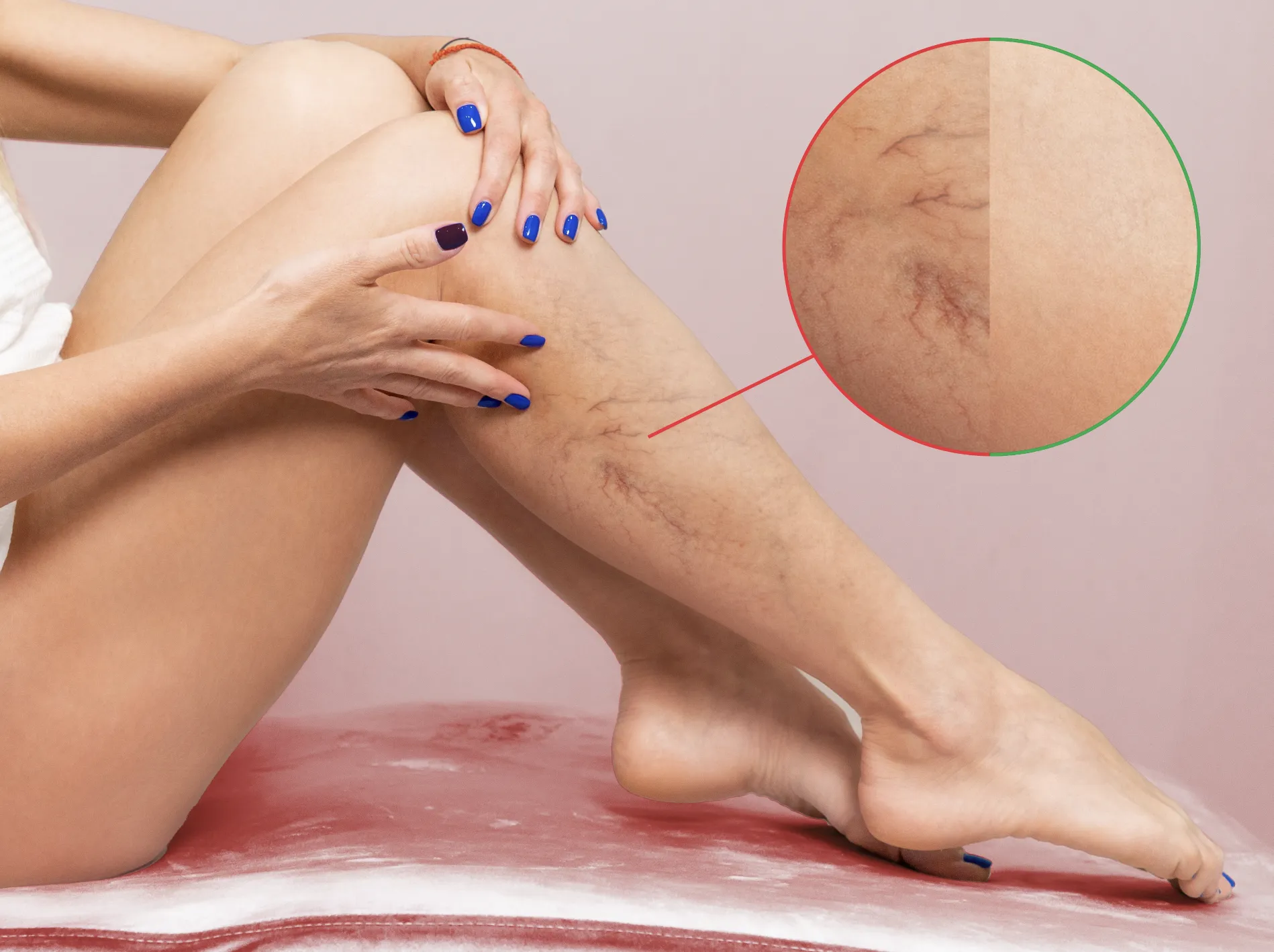
How Is Varicose Vein Treatment Planned?
Varicose vein treatment varies depending on the stage of the disease and the patient’s vascular structure. Therefore, a proper evaluation before starting treatment is of great importance.
A Doppler ultrasound examination performed in the initial stage helps identify which veins are affected and how blood flow is compromised. This assessment forms the foundation of the treatment plan.
What Is Non-Surgical Varicose Vein Treatment?
Today, minimally invasive (non-surgical) procedures have largely replaced traditional surgical methods in the treatment of varicose veins. These techniques offer a more comfortable experience and allow patients to return quickly to their daily lives.
Most Commonly Used Methods
1. Endovenous Laser Treatment (EVLA)
In this method, laser energy is delivered through a thin catheter inserted into the vein. This energy causes the vein to close in a controlled manner.
2. Radiofrequency Ablation (RFA)
Instead of laser, thermal energy is used. The vein wall is sealed from the inside, and blood flow is redirected to healthy veins.
3. Foam Sclerotherapy
Frequently preferred for small and medium-sized varicose veins. A special foam solution is injected into the vein, causing it to close.
Post-Procedure Process
Most of these methods:
- Are performed under local anesthesia
- Are completed in a short time
- Allow the patient to stand up and walk on the same day
After the procedure, walking is usually recommended, and in some cases, the use of compression stockings is advised.
What Should Be Considered After Treatment?
- Avoid remaining inactive for long periods
- Maintain regular walking habits
- Avoid excessive heat exposure
- Follow your doctor’s recommendations carefully
Conclusion
Today, varicose vein treatment can be performed with comfortable and effective methods. However, since each patient’s condition is unique, the treatment plan must always be personalized.